Breaking barriers: Enabling youth and gender inclusion in Tunisia
Dec 2025|Africa
At a glance
Platform work offers professional autonomy and flexible hours
23-year-old Tunisian mentors other young women entering the industry
Shows how delivery platforms enable independence and inclusion
Through its platform, Glovo is helping young Tunisians access flexible work, gain independence, and break barriers in traditionally male-dominated sectors.
In the streets of Cité Ettadhamen, the face of the local economy is shifting. For 23-year-old Maryem Addouri, riding a delivery motorcycle is not just a job, but a pathway to independence and self-determination.
Maryem entered the digital economy out of curiosity, inspired by a friend navigating the early days of app-based delivery in Tunisia. What drew her in was the autonomy it offered. Unlike traditional roles, platform work gave her control over when and how she worked, free from rigid structures and constant supervision. Now a rider for over three years, her experience highlights a key driver for the younger demographic: professional autonomy.
"There is no pressure. Especially the pressure of having bosses always looking over your shoulder."
Maryem Addouri, Glovo rider
This independence is what led her to trade the passenger seat for the handlebars, becoming a dedicated rider herself for the past three years.
In a region where youth unemployment and rigid work schedules can often stifle ambition, the platform allows Maryem to harmonize her income with her personal growth. Whether it is a professional training course, her studies, or a new hobby, the ability to choose her own hours ensures that work supports her life, rather than consuming it.
However, Maryem’s impact goes deeper than her own schedule. As a woman in a traditionally male-dominated sector, she has become a visible force for change. She is frequently approached by other young women in Tunisia who are curious but hesitant. “How can you do this as a girl?” they often ask.
Maryem’s answer is always one of encouragement. She recognizes that for many, the barrier is the fear of the unknown. By simply being visible on the streets of Tunis, she is dismantling the idea that the delivery industry has a gender. She actively mentors those who reach out, advising them that once the initial fear is set aside, the work quickly becomes an empowering routine.
As we look toward the future of the Tunisian workforce, Maryem stands as a vital KPI of our social impact. She isn’t just delivering meals; she is delivering a message of inclusion and modern economic opportunity. Her story proves that when a platform provides the right tools, the youth have the power to drive their own destiny.
More Stories
Community Impact|Ready to Grow
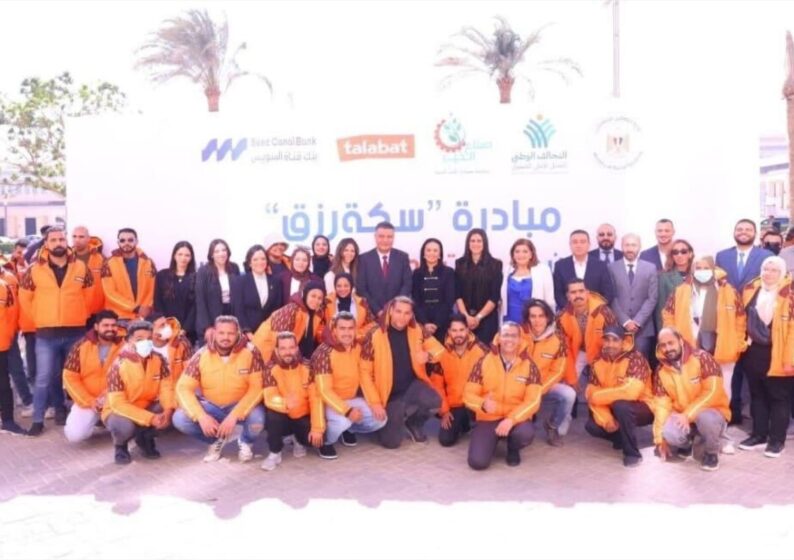
Creating Pathways to Work: Supporting Youth Job Access in Egypt
Through the "Seket Rezk" initiative, talabat is helping underserved youth access employment, build financial independence and participate in the digital economy.